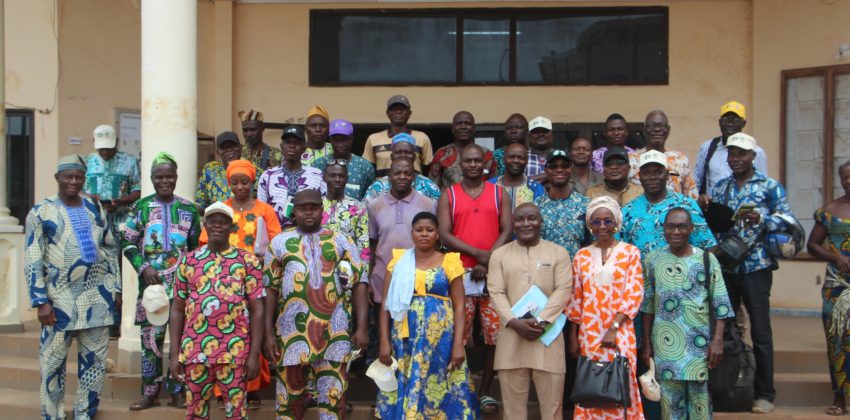
As part of its ongoing Communications and Visibility Study for the ECOWAS Abidjan-Lagos Corridor Highway Project, and following successful community engagement activities in Benin, Togo, and Nigeria, ECOWAS has commenced similar activities in Ghana. The consultant overseeing this initiative is engaging and sensitizing over thirty communities across the Greater Accra Region, Western Region, Eastern Region, and Volta Region. In collaboration with the Ministry of Roads and Highways, the consultant facilitated extensive engagement sessions involving community members and key stakeholders.
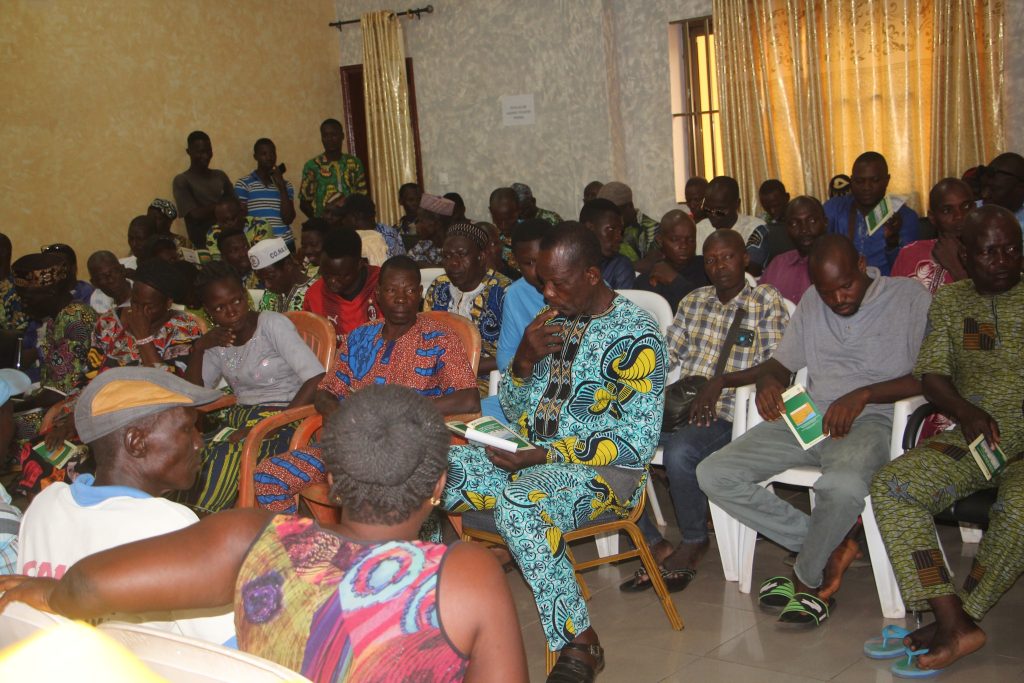
These sessions were designed to: • Present an overview of the highway project, including its economic and social implications • Clarify expectations and potential impacts of the highway, including resettlement and employment opportunities • Address compensation-related concerns • Foster transparency and manage community concerns Local content involvement and the employment of local labor were emphasized to ensure direct community benefit. Stakeholders’ questions and concerns were adequately addressed, helping to reduce fear and build trust among the residents.
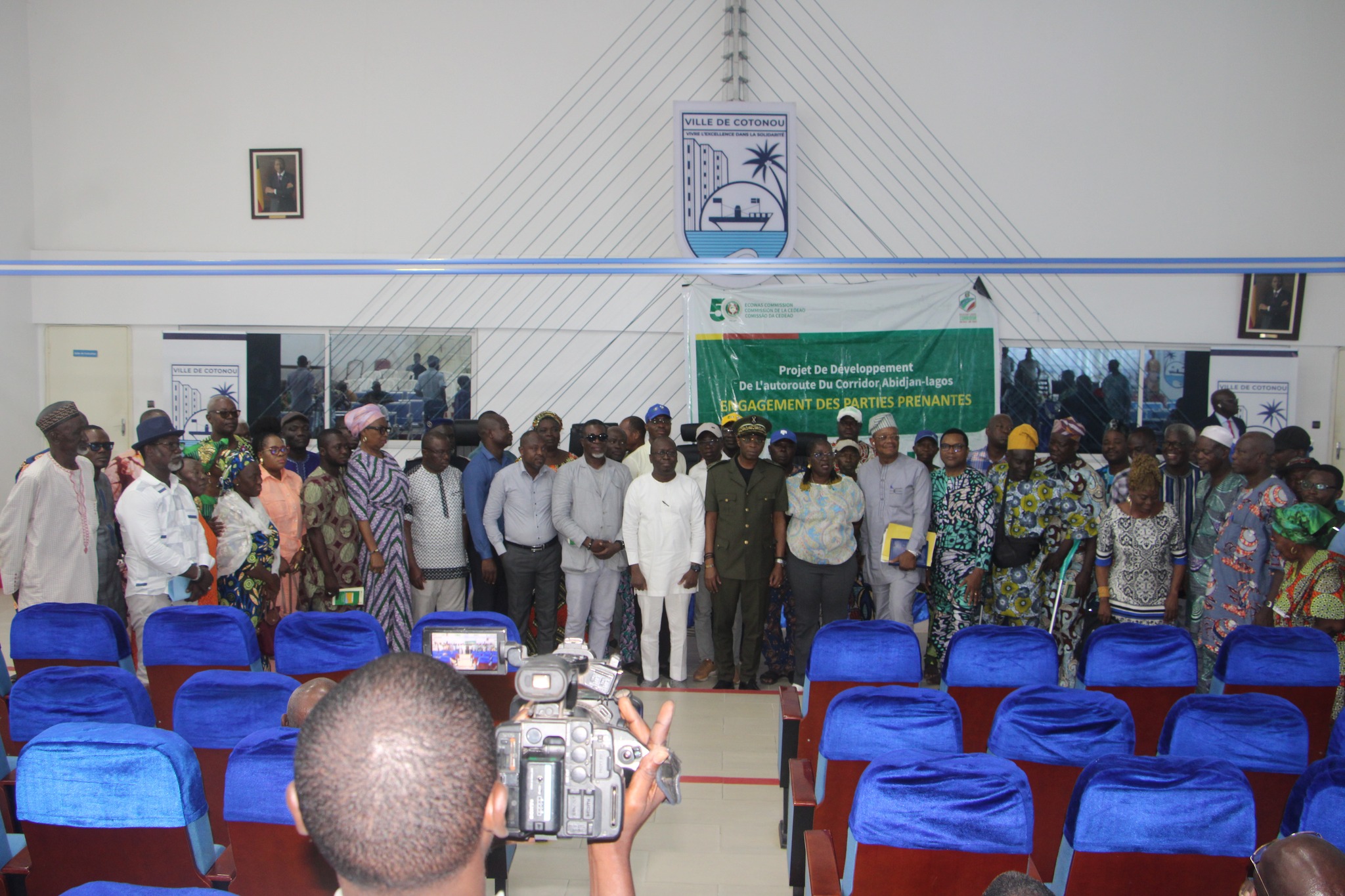
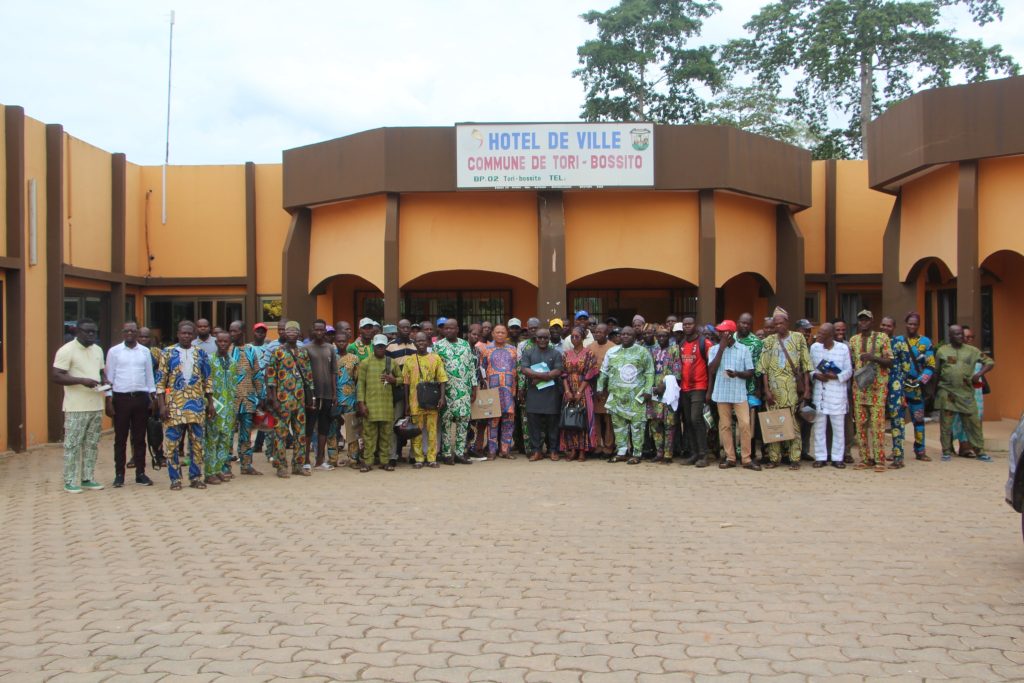
The engagement sessions began in May in Accra and Apemanin simultaneously, expanding to other communities. These sessions were tailored to inform residents, stakeholders, and local leaders on the: • Benefits • Challenges • Milestones of the highway project Following the radio outreach, on Ogya 98.3 FM in Agona Nkwanta, a town in the Ahanta West Municipality, town hall meetings were held in all communities affected by the highway, drawing large and diverse stakeholder participation.
Attendees included:
• Traditional rulers
• Youth leaders
• Security personnel
• Religious leaders
• Women leaders
• Assembly members
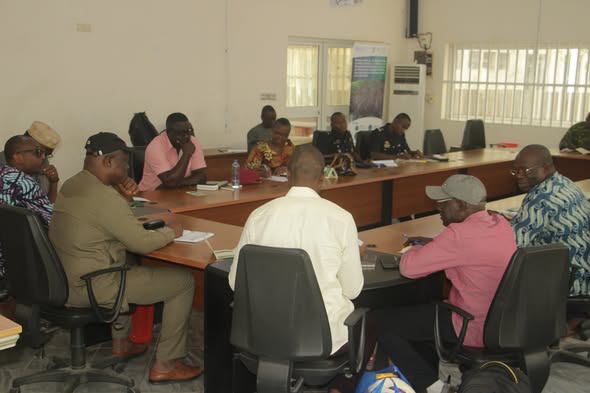
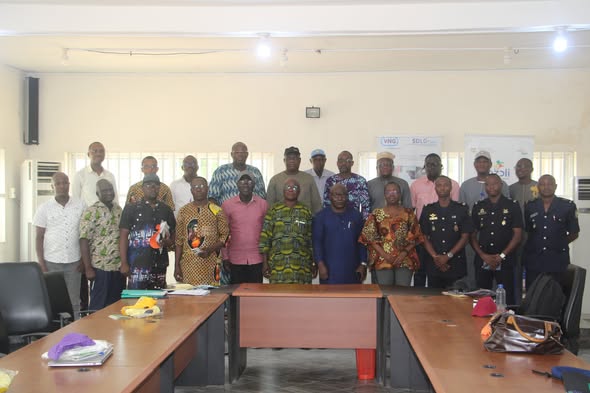
These meetings provided a platform for open dialogue, where participants could freely express their opinions and concerns. In addition to community engagements, targeted awareness activities were carried out in schools. Students were sensitized on the highway project and its benefits to their communities and the ECOWAS sub-region. Branded Information, Education, and Communication (IEC) materials, including writing supplies, were distributed in over thirty selected schools. By engaging stakeholders across different sectors and age groups, ECOWAS aims to foster a deeper understanding of the project, address concerns proactively, and promote ownership among affected communities.