Abidjan-Lagos Corridor Highway Development Project
Additional activities such as radio broadcasts, novelty football matches between boys’ and girls’ teams from selected junior secondary schools, and the distribution of Information, Education, and Communication (IEC) materials further reinforced the project’s commitment to transparency, inclusion, and empowering local voices along the corridor.These initiatives highlight ECOWAS’ dedication to ensuring that community participation remains at the heart of the project’s implementation.
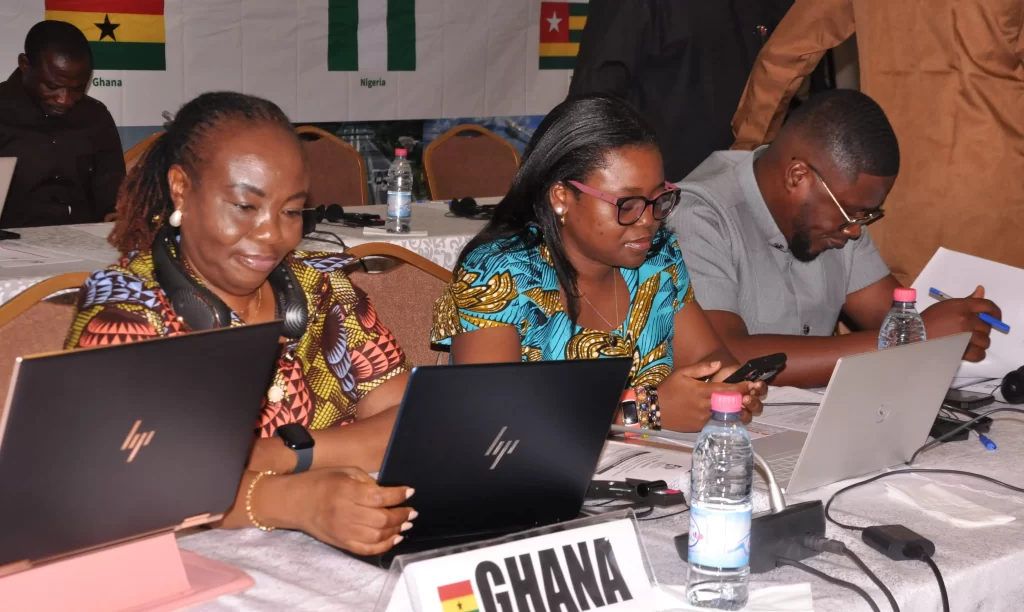
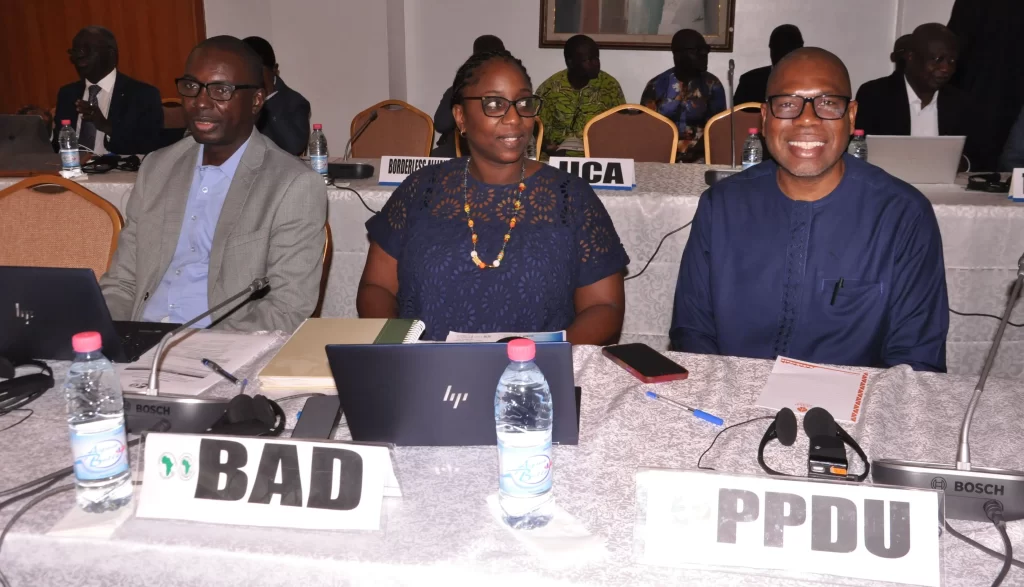
The Abidjan-Lagos Corridor extends over a length of almost 1,028 km, connects some of the most important and economically dynamic cities in Africa, namely: Abidjan, Accra, Cotonou, Lomé, and Lagos and covers a large part of the population of West Africa. It also connects very dynamic seaports which serve all the landlocked countries of the region, namely Burkina Faso, Mali, and Niger. The development objective of the project, once implemented, is to generate social and economic activities, promote cross-border trade and integrate economies within the ECOWAS community. This will help to reduce the poverty levels of the people who depend on the transport modes of the corridor for their livelihoods. This will be achieved through the construction of a six-lane dual carriageway highway from Abidjan-Lagos, including the development of economic hubs along the Corridor by ensuring coherence between transport modes and economic activities to engender the integration and economic development